

Ferrari F40 - poster
Couldn't load pickup availability
Tworzymy w studiu pod Wrocławiem.
Drukujemy po zakupie. Wysyłka 2-3 dni.
Solidne opakowanie + 30 dni na zwrot.
The Ferrari F40 poster is a reproduction of Leonardo Fioravanti's patent for the Ferrari F40. Patent number USD306274S was published in 1990 by the United States Patent and Trademark Office.
Ferrari F40
In the early 1980s, Ferrari was looking for a model to compete with the famous Porsche 959. Ferrari CEO Giovanni Razelli commissioned the creation of a car that would outperform its rival. "The fastest sports car on the road has to be a Ferrari," he said. The Ferrari F40 was named to celebrate Ferrari's 40th anniversary as an automaker and was the last car presented by the then 89-year-old Enzo Ferrari in June 1987. The Ferrari F40 was developed from the experimental 288 GTO Evoluzione, a racing version of the GTO. It was built in classic Ferrari style, reminiscent of Formula 1 racing cars. Its interior was painfully simple, containing only the essentials. It was designed to be economical, light, and functional – without air conditioning, a radio, leather trim, floor mats, or a proper trunk. The F40 weighed just 1,155 kg, including the carbon fiber composite doors, which weighed a mere 1.5 kg! It could accelerate from 0 to 100 km/h in around 4.5 seconds and from zero to 200 km/h in 11.6 seconds. The 2.9-liter engine produced 478 hp at 7,000 rpm and 577 Nm of torque at 4,000 rpm. Officially, it was the first road-legal car available for sale at a showroom to reach 200 mph, or 322 km/h. It had rear-wheel drive and a manual 5-speed gearbox. During its five-year production run, from 1987 to 1992, 1,310 units left the factory.
F40 Racing Versions
The first F40-based racing car was developed by Michelotto, a Ferrari collaborator. The F40 LM replaced the main retractable headlights with fixed headlights with plastic covers and incorporated hinged plastic windows, significantly reducing the vehicle's weight. The F120 A engines were upgraded to the F120 B, which produced 720 hp and allowed for a top speed of 367 km/h. Nineteen F40 LMs were built, but only three cars competed. In 1994, the first F40 GTE was introduced, built for the BPR GT series. A sequential gearbox from the Ferrari 333 SP was used, the brakes were improved, and the entire car's structure was reinforced. Three engine versions were created, with displacements ranging from 3.0 to 3.5 liters. The engine developed 660 hp at 8,500 rpm, adapted to BPR GT regulations, and 900 hp without the series' regulations. Top speed was estimated at 360 km/h, just under 40 km/h faster than the 324 km/h of the street version of the F40. Along with the Porsche 959 and Lamborghini Diablo, the F40 is one of the most iconic supercars of the late 1980s and early 1990s, and has made automotive history.
Jeśli kupisz również ramkę, zajmiemy się oprawą bez dodatkowych kosztów. Twój plakat dotrze już w ramie, gotowy, by zawisnąć na ścianie.
Matte Paper (formerly Smooth)
Fully matte paper with a grammage of 230 g/m². This is a high-quality photographic paper, significantly thicker than standard "poster paper." It provides excellent readability without reflections and faithful reproduction of natural colors, making it a solid choice for a classic look.
Pearl Paper
Our Pearl Paper with a grammage of 255 g/m² is the perfect step forward for those who desire an even more striking print. It has an elegant, satin surface with a subtle sheen characteristic of traditional photographic prints. This type of paper significantly enhances colors, deepens blacks, and gives posters a professional, more dynamic, and expressive look compared to standard matte paper. It's a great choice for highlighting details and adding exceptional depth to graphics, delighting the eye with vibrant colors.
Hahnemühle FineArt Paper
A true gem for connoisseurs – produced by the German manufacturer Hahnemühle FineArt. Made of 100% cotton, completely acid- and bleach-free, with an impressive grammage of 310 g/m². Most often found in art galleries and museums, where archival durability and unique character are paramount. Perfect as a gift or for lovers of the highest quality papers and artistic expression. Full name: Hahnemühle William Turner.
You can return any poster within 30 days of its delivery. Contact us via the contact page or simply send it to us.
This also applies if you want to exchange the poster for a different size, color, or paper type.
Matte Paper(230g/m²) |
Pearl Paper(255g/m²) |
Hahnemühle Art Paper(310g/m²) |
|
|---|---|---|---|
|
Classic Look of Your Poster Your poster gains a classic character. The matte surface eliminates reflections, ensuring readability. Natural colors and deep blacks for a timeless look. |
Intense Colors! Make your poster really shine! Subtle, elegant sheen. Colors are visibly more vibrant, blacks deeper, and the poster gains a professional character. |
Your Poster as a Work of Art An investment in uncompromising quality. 100% cotton, the artistic texture adds depth to the graphic. Museum-grade aging resistance for generations of durability. |
|
| Finishing | Matte, non-reflective | Satin-pearl, with a subtle sheen | Matte, with a clear artistic texture |
| Weight | 230 g/m² | 255 g/m² | 310 g/m² |
| Effect Main Features | Natural colors, excellent readability | Vibrant colors, deeper blacks, professional look | Museum quality, unique texture, exceptional depth and durability |
| Base Color | Ultra White | Ultra White | Natural white |
| Material | Cellulose | Cellulose | 100% cotton |
Great quality, fast delivery.
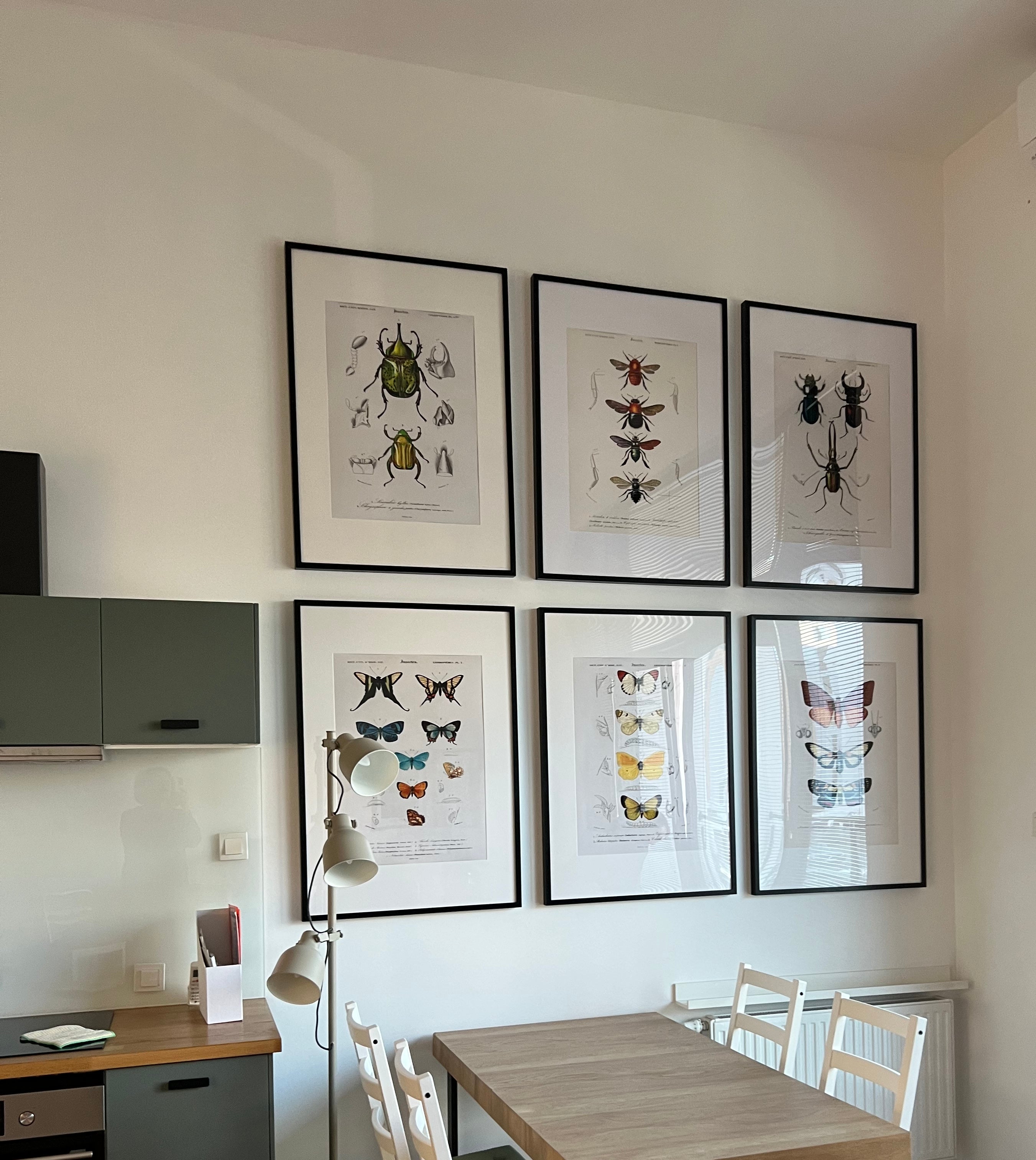
I highly recommend them. The 40x50 cm posters fit perfectly in their designated space. The print quality is superb :)
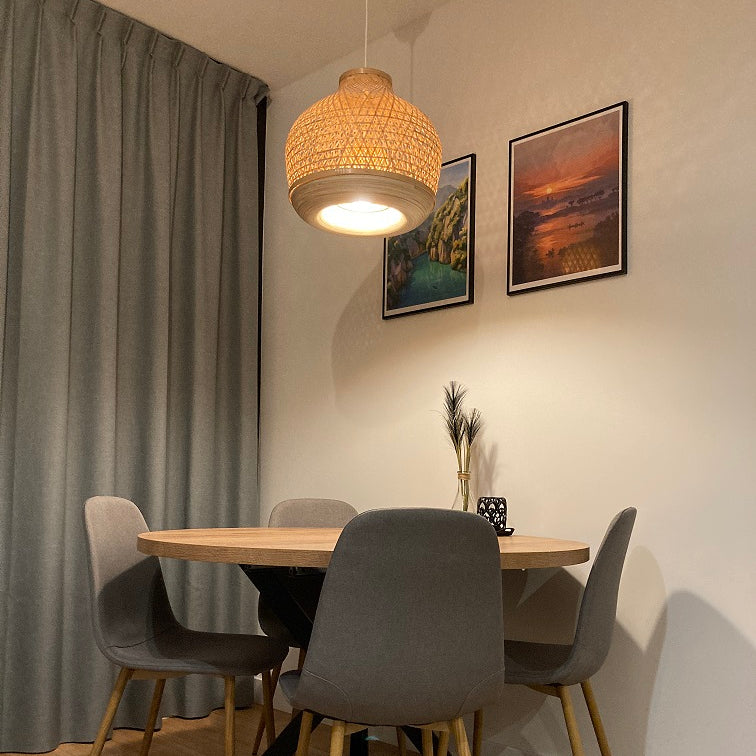
Fast delivery, great quality, good contact.
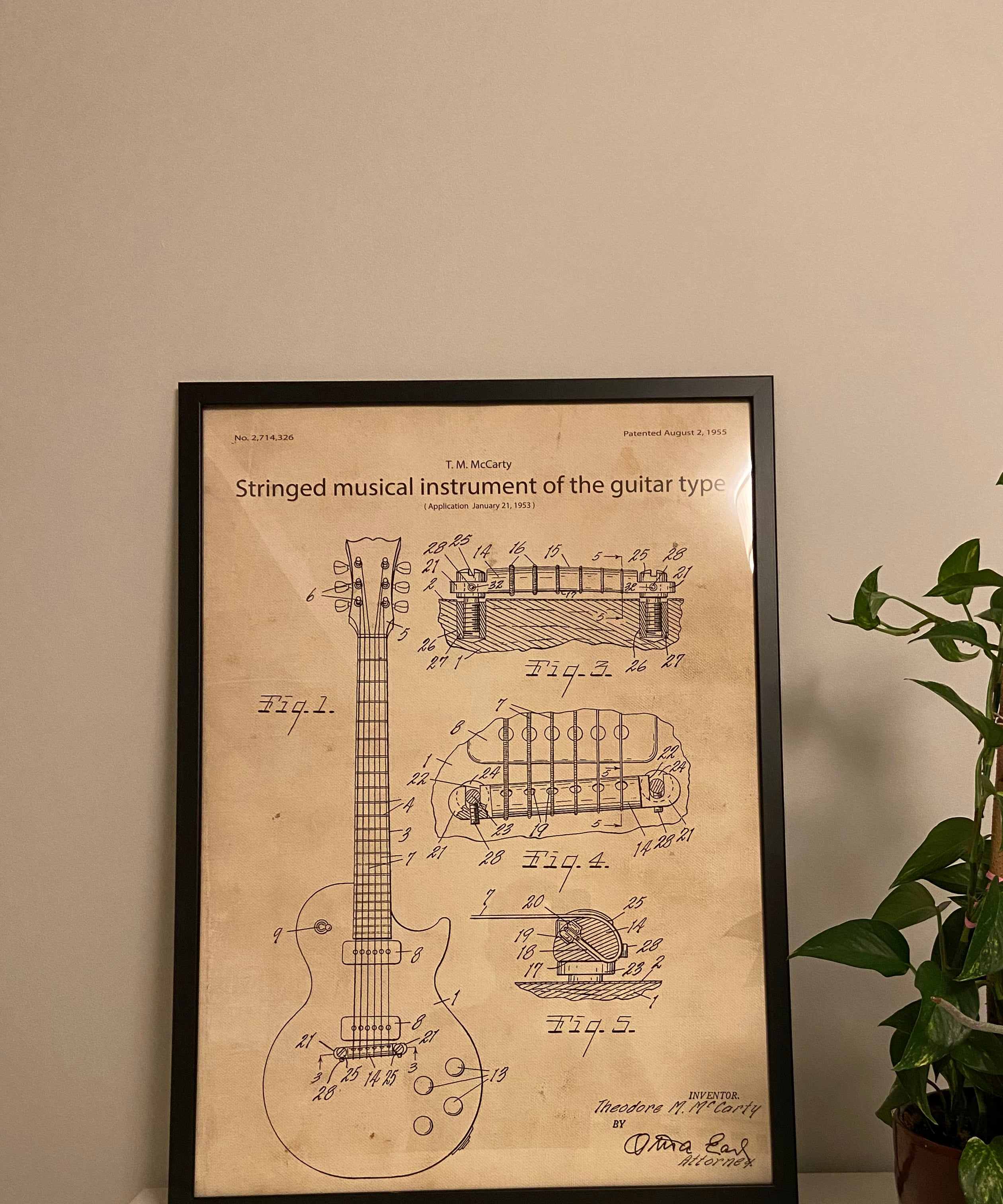
Fast and professional service, excellent print quality of the ordered image.
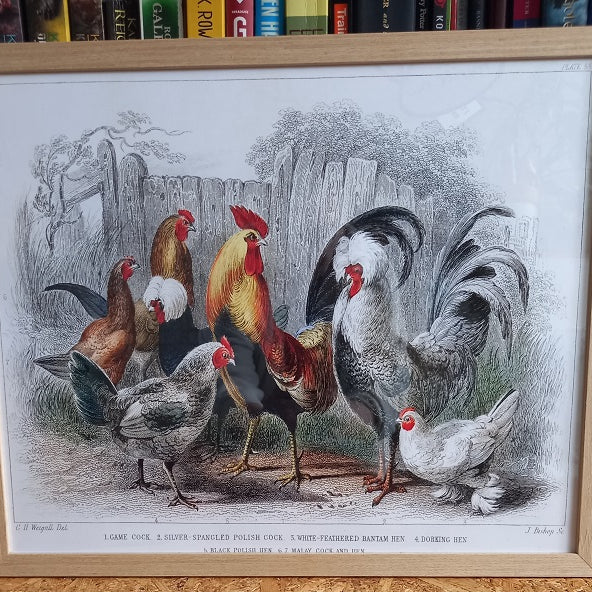
I love these posters. Great design, excellent quality, beautiful colors (I already have three posters). Very easy purchase process, and on-time delivery.
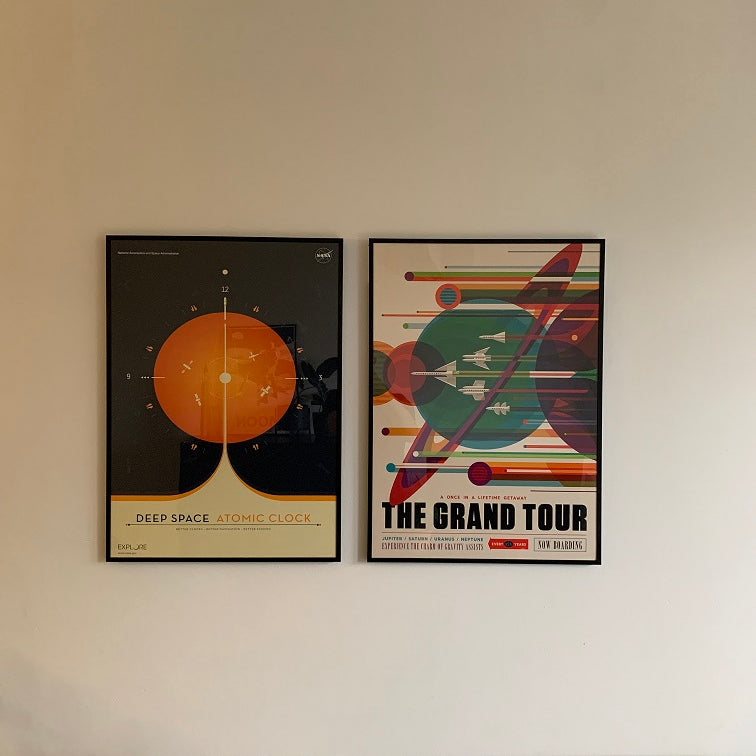
The product was as described, everything was carefully packaged and secured, fast shipping, and the poster was of very good quality. 10/10 – I would definitely buy it again.